

Magento vs. Shopify: Which Platform Has Better SEO?
Share this:
Delving into the realm of e-commerce platforms, the comparison between Magento and Shopify for superiority sparks curiosity and exploration. As businesses strive to enhance their online visibility, understanding the nuances of on these platforms becomes paramount. Let's unravel the intricacies and unveil the better performer!
Overview of Magento and Shopify
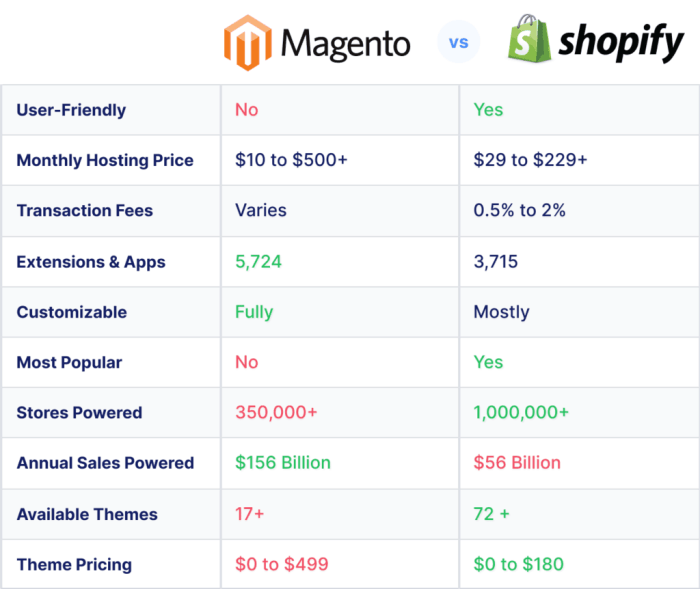
Magento and Shopify are two popular e-commerce platforms that cater to businesses looking to set up online stores. Magento:Magento is an open-source e-commerce platform known for its flexibility and scalability. It offers a robust set of features and customization options, making it ideal for large businesses with complex needs.
Magento provides advanced capabilities, allowing users to optimize their online stores for search engines effectively.Shopify:Shopify, on the other hand, is a user-friendly, cloud-based e-commerce platform designed for businesses of all sizes. It offers a range of built-in tools and templates that make it easy to set up an online store quickly.
While Shopify also provides features, they may not be as advanced as Magento's.
Key Features of Magento and Shopify
- Magento:
- Open-source platform
- Advanced customization options
- Scalability for growing businesses
- Robust capabilities
- Shopify:
- Cloud-based platform
- User-friendly interface
- Quick setup with templates
- Basic features
Target Audience for Magento versus Shopify
Magento typically attracts larger businesses with complex e-commerce needs that require extensive customization and scalability. On the other hand, Shopify is more appealing to small to medium-sized businesses that prioritize ease of use and quick setup over advanced customization options.
Each platform caters to a different segment of the market based on business size, budget, and technical requirements.
Capabilities of Magento
Magento is known for its robust capabilities that help online businesses optimize their websites for search engines. Here are some key points highlighting Magento's support for :
Built-in Features of Magento
- -Friendly URLs: Magento allows users to create -friendly URLs that include relevant s, making it easier for search engines to crawl and index the site.
- Meta Tags Optimization: Users can easily optimize meta tags such as meta titles and descriptions for each page, helping improve click-through rates from search engine results pages.
- XML Sitemaps: Magento automatically generates XML sitemaps that help search engines discover and index all the important pages on the website.
- Canonical Tags: Magento provides the option to add canonical tags to prevent duplicate content issues and consolidate link equity.
- Schema Markup: Magento supports schema markup, allowing users to add structured data to their website to enhance visibility in search results and improve click-through rates.
Capabilities of Shopify
When it comes to capabilities, Shopify offers a range of features to help optimize your online store for search engines.
Built-in Features
- -friendly URL structures: Shopify automatically generates clean and readable URLs for your products and pages, making it easier for search engines to crawl and index your site.
- Meta tags customization: You can easily edit meta titles, descriptions, and s for each product and page, allowing you to optimize them for specific s and improve search engine visibility.
- Mobile optimization: With Shopify's responsive themes, your store is automatically optimized for mobile devices, which is crucial for as Google prioritizes mobile-friendly websites in search results.
Comparison between Magento and Shopify
When it comes to capabilities, both Magento and Shopify offer tools and features to help improve search engine rankings. However, there are differences in the customization options available on each platform, which can impact the overall performance of an online store.
Tools Available on Magento and Shopify
- Magento: Magento offers a wide range of tools, including customizable URLs, meta tags, sitemaps, and rich snippets. Additionally, Magento allows for the integration of third-party extensions to further enhance optimization.
- Shopify: Shopify also provides basic tools such as customizable title tags, meta descriptions, and URLs. While Shopify's built-in features are user-friendly, it may not offer as many advanced options compared to Magento.
Differences in Customization Options
- Magento: Magento is known for its flexibility and extensive customization options, allowing users to fine-tune their strategies according to their specific needs. Users can modify code, add extensions, and optimize various aspects of their website for better performance.
- Shopify: Shopify, on the other hand, has a more streamlined approach to customization. While users can still optimize their content and meta tags, the level of customization may be limited compared to Magento. Shopify's simplicity can be beneficial for beginners but may not offer as much control for advanced techniques.
Impact of Platform Choice on Performance
- Magento: Due to its advanced capabilities and extensive customization options, Magento is often preferred by larger e-commerce businesses with specific requirements. The ability to tailor strategies to the finest detail can result in better search engine rankings and overall website visibility.
- Shopify: Shopify's ease of use and beginner-friendly approach to can be advantageous for small to medium-sized businesses looking for a simple solution. While Shopify may not offer as many customization options as Magento, it still provides the necessary tools to improve performance and drive organic traffic to the online store.
Best Practices for on Magento and Shopify
When it comes to optimizing on Magento and Shopify, there are specific best practices that can help improve the visibility and ranking of your online store. By implementing these strategies, you can enhance your site's performance and attract more organic traffic.
Tips for Optimizing on Magento:
- Ensure your website is mobile-friendly to improve user experience and rankings.
- Optimize your product pages with relevant s, meta tags, and descriptions.
- Create unique and compelling content to engage users and improve search engine visibility.
- Utilize Magento's -friendly URL structure to enhance website navigation and indexing.
- Implement schema markup to provide search engines with additional information about your products and services.
Tips for Optimizing on Shopify:
- Customize your website's meta tags, titles, and descriptions to improve click-through rates and search engine rankings.
- Optimize your images by using descriptive file names and alt text to improve visibility in image search results.
- Utilize Shopify's built-in blogging platform to create relevant and informative content for your target audience.
- Submit your sitemap to search engines regularly to ensure all pages are indexed and crawled efficiently.
- Monitor your site speed and performance to provide a seamless user experience and improve rankings.
General Best Practices for Magento and Shopify:
- Focus on creating high-quality, relevant content that addresses user search queries and provides value.
- Optimize your website for speed and performance to improve user experience and search engine rankings.
- Regularly monitor and analyze your website's performance using tools like Google Analytics and Search Console.
- Build high-quality backlinks from reputable websites to improve your site's authority and credibility.
- Stay updated on trends and algorithm changes to adapt your strategy and maintain competitive rankings.
Case Studies of Successful Implementation
In this section, we will explore case studies of successful strategies implemented on Magento and Shopify platforms, highlighting the outcomes and key takeaways from each.
Magento Case Study
One successful implementation on Magento involved optimizing product pages with relevant s, improving site speed, and implementing structured data markup. As a result, the website saw a significant increase in organic traffic and higher rankings on search engine results pages.
- Optimized product pages with targeted s
- Improved site speed for better user experience
- Implemented structured data markup for search engine visibility
Key Takeaway: Attention to on-page elements and technical optimizations can lead to improved organic visibility and higher search engine rankings.
Shopify Case Study
In a successful strategy on Shopify, a business focused on content marketing, creating engaging blog posts, and building high-quality backlinks. This approach resulted in increased brand visibility, higher domain authority, and improved search engine rankings.
- Emphasized content marketing with informative blog posts
- Generated high-quality backlinks from reputable websites
- Engaged in social media promotion to drive traffic to the website
Key Takeaway: Content marketing, backlink building, and social media promotion are essential components of a successful strategy on Shopify.
Final Thoughts
In conclusion, the battle between Magento and Shopify for dominance unveils a landscape of opportunities and challenges. By dissecting their capabilities and analyzing real-world case studies, a clearer path to success emerges, guiding businesses towards optimal online growth and visibility.
Essential FAQs
Is Magento or Shopify more suitable for beginners in ?
Shopify generally offers a more user-friendly interface for beginners looking to optimize their efforts.
Which platform provides better customization options for ?
Magento is known for its robust customization capabilities, allowing for more advanced customization compared to Shopify.
Do Magento and Shopify offer plugins for additional optimization?
Both platforms have a range of plugins available to further enhance optimization efforts.