

How Retail Advertising Agencies Boost Omnichannel Sales: Strategies and Technologies
Share this:
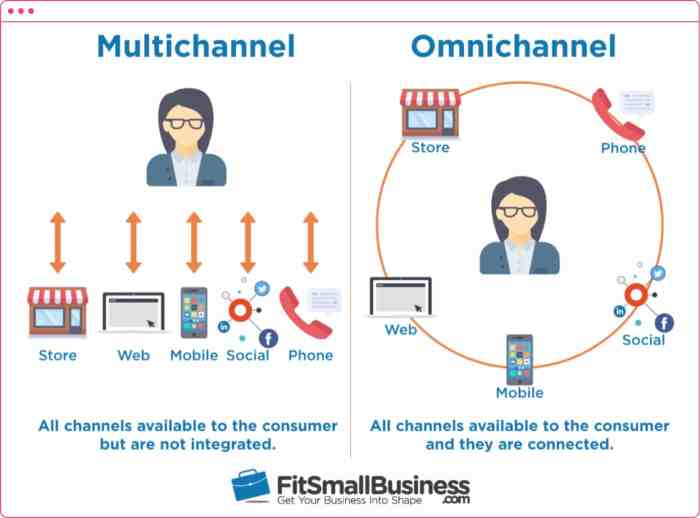
Exploring the realm of omnichannel sales and its importance for retail advertising agencies unveils a landscape where seamless integration across multiple channels can significantly impact sales. From personalized marketing to data analytics, the strategies employed by these agencies play a pivotal role in enhancing omnichannel sales.
Let's delve deeper into how retail advertising agencies navigate this dynamic landscape to boost sales and drive growth.
Importance of Omnichannel Sales for Retail Advertising Agencies
Omnichannel sales play a crucial role in the success of retail advertising agencies, allowing them to reach customers through various channels and touchpoints seamlessly.
Enhanced Customer Experience
By implementing omnichannel strategies, retail advertising agencies can provide a consistent and personalized experience to customers across online and offline platforms. This ensures a seamless shopping journey, leading to increased customer satisfaction and loyalty.
Increased Sales Opportunities
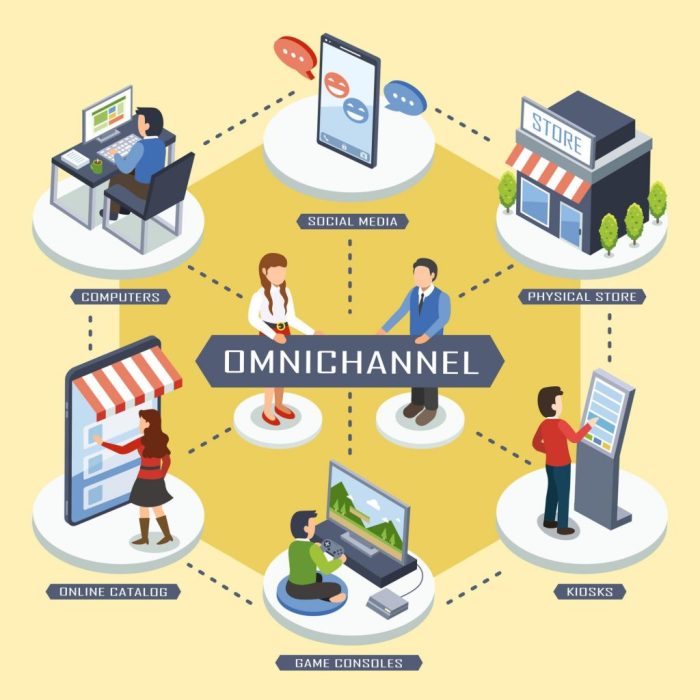
Utilizing multiple channels for advertising purposes opens up more opportunities for retailers to connect with potential customers. Whether it's through social media, email marketing, or physical stores, a comprehensive omnichannel approach can drive sales and boost revenue.
Improved Data Collection and Analysis
Integrating various channels allows retail advertising agencies to gather valuable data on customer behavior, preferences, and interactions. By analyzing this data, agencies can make informed decisions, optimize their marketing strategies, and tailor their campaigns to better target their audience.
Strategies Used by Retail Advertising Agencies to Boost Omnichannel Sales
In order to maximize omnichannel sales, retail advertising agencies implement various strategies that focus on enhancing customer engagement and driving conversions across multiple channels.
Data Analytics Optimization
Retail advertising agencies leverage data analytics to gain insights into consumer behavior, preferences, and purchase patterns. By analyzing data from different touchpoints, agencies can identify trends, optimize marketing campaigns, and personalize messaging to target specific audience segments effectively.
Personalized Marketing
Personalized marketing plays a crucial role in boosting sales across various channels. Retail advertising agencies use customer data to create tailored experiences for individual consumers, such as personalized recommendations, targeted promotions, and customized content. By delivering relevant and timely messages to consumers, agencies can increase engagement and drive conversions.
Leveraging Technology in Retail Advertising for Omnichannel Sales
Technology plays a crucial role in helping retail advertising agencies boost omnichannel sales by providing them with tools and platforms to create seamless and personalized shopping experiences for customers across various channels.
Impact of AI and Machine Learning in Targeted Advertising Campaigns
AI and machine learning have revolutionized the way retail advertising agencies create targeted advertising campaigns by analyzing vast amounts of customer data to understand their preferences, behaviors, and purchase patterns.
- AI algorithms can identify trends and predict customer behavior, enabling agencies to target the right audience with relevant and personalized ads.
- Machine learning algorithms can optimize ad placements and budgets in real-time to maximize ROI and drive sales across different channels.
Examples of Successful Technological Implementations in Omnichannel Marketing
Retail advertising agencies have successfully implemented various technologies to enhance omnichannel marketing strategies and drive sales:
- Personalization Engines:Using AI-powered personalization engines to deliver tailored product recommendations and content to customers based on their preferences and browsing history.
- CRM Integration:Integrating customer relationship management (CRM) systems with marketing platforms to create a unified view of customers and deliver consistent messaging across all touchpoints.
- Location-Based Marketing:Utilizing geolocation data to target customers with relevant offers and promotions based on their physical location, driving foot traffic to stores and increasing online sales.
- Chatbots and Virtual Assistants:Implementing chatbots and virtual assistants powered by AI to provide personalized assistance to customers, answer queries, and guide them through the shopping journey seamlessly.
Measuring Success in Omnichannel Sales Campaigns
In order to determine the effectiveness of omnichannel sales campaigns, retail advertising agencies rely on key performance indicators (KPIs) to track and measure various metrics. By analyzing these KPIs, agencies can gauge the performance of their campaigns and make data-driven decisions to optimize future strategies.
Key Performance Indicators (KPIs) Used to Measure Omnichannel Campaign Success
- Conversion Rate: This metric measures the percentage of customers who complete a desired action, such as making a purchase, across all channels.
- Customer Lifetime Value (CLV): CLV helps agencies understand the long-term value of a customer and tailor their campaigns to maximize customer retention and loyalty.
- Customer Acquisition Cost (CAC): CAC allows agencies to assess the cost of acquiring new customers across different channels and optimize their budget allocation accordingly.
- Return on Ad Spend (ROAS): ROAS helps agencies evaluate the effectiveness of their advertising efforts by comparing the revenue generated to the amount spent on advertising.
Tracking and Analyzing Data for Campaign Performance Evaluation
Retail advertising agencies utilize advanced analytics tools and technologies to collect and analyze data from various touchpoints, including online and offline channels. By tracking customer interactions and behaviors, agencies can gain insights into the effectiveness of each channel and campaign, enabling them to make informed decisions for optimization.
The Importance of A/B Testing and Continuous Optimization in Omnichannel Sales
A/B testing involves comparing two versions of a campaign or webpage to determine which performs better in terms of engagement, conversion, or other desired outcomes. By conducting A/B tests, retail advertising agencies can identify the most effective strategies and optimize their campaigns for maximum performance.
Continuous optimization ensures that campaigns are regularly updated and refined based on real-time data and feedback, allowing agencies to adapt to changing consumer preferences and market trends.
End of Discussion
In conclusion, the journey through the strategies, technologies, and measurements used by retail advertising agencies to boost omnichannel sales illuminates the intricate dance between creativity and data-driven decisions. As agencies continue to leverage technology and personalized approaches, the future of omnichannel sales looks promising and full of innovative possibilities.
General Inquiries
How can omnichannel sales impact the overall revenue of retailers?
Omnichannel sales can lead to increased customer engagement, higher conversion rates, and improved brand loyalty, ultimately resulting in a boost in revenue for retailers.
What role does AI play in optimizing omnichannel advertising campaigns?
AI helps in analyzing consumer behavior, predicting trends, and personalizing marketing efforts, leading to more targeted and effective advertising campaigns across various channels.
Why is A/B testing crucial in the success of omnichannel sales campaigns?
A/B testing allows agencies to compare different versions of campaigns, identify what works best, and make data-driven decisions to optimize strategies for better results in omnichannel sales.