

Best Low-Cost Insurance Options for Small Businesses Worldwide: A Comprehensive Guide
Share this:
Delve into the realm of Best Low-Cost Insurance Options for Small Businesses Worldwide as we uncover valuable insights and strategies to help businesses thrive in the global market.
Explore the different aspects of low-cost insurance and how they can benefit small businesses worldwide.
Researching Low-Cost Insurance Options
When it comes to small businesses, researching low-cost insurance options is crucial for financial stability and risk management. By finding the right insurance coverage at an affordable price, small businesses can protect themselves from unexpected costs and liabilities.
Key Factors to Consider
- Coverage Needs: Assess the specific risks and liabilities your business faces to determine the type and amount of coverage required.
- Cost vs. Coverage: Compare premiums, deductibles, and coverage limits from different insurance providers to find the best value for your business.
- Reputation and Financial Strength: Research the reputation and financial stability of insurance companies to ensure they can fulfill their obligations in case of a claim.
- Customer Service: Evaluate the customer service quality of insurance providers, as prompt and efficient service is essential when filing claims or seeking assistance.
Evaluating Credibility of Insurance Providers
When researching low-cost insurance options, it's important to assess the credibility of insurance providers to avoid potential issues in the future.
- Check Ratings: Look into the financial strength ratings of insurance companies from agencies like A.M. Best, Standard & Poor's, or Moody's to gauge their stability.
- Read Reviews: Look for customer reviews and testimonials to get insights into the experiences of other policyholders with the insurance company.
- Verify Licenses: Ensure that the insurance provider is licensed to operate in your state or country to guarantee regulatory compliance and protection for policyholders.
Types of Low-Cost Insurance Coverage
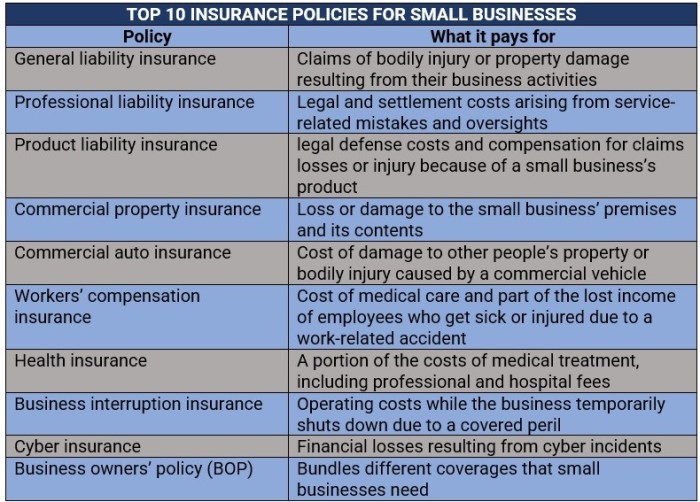
Insurance coverage is essential for small businesses to protect themselves from potential risks and liabilities. Here are some types of low-cost insurance options that are suitable for small businesses:
Liability Insurance
Liability insurance provides coverage for legal costs and damages in case a small business is sued for negligence, injury, or property damage caused by the business operations. It helps protect the business assets and reputation. Some common types of liability insurance include general liability insurance, professional liability insurance, and product liability insurance.
Property Insurance
Property insurance covers the physical assets of a business, including buildings, equipment, inventory, and furniture, against damages or losses due to fire, theft, vandalism, or other covered perils. It helps small businesses recover financially from property damage and continue their operations without major disruptions.
Health Insurance
Health insurance provides coverage for medical expenses and healthcare services for employees of a small business. Offering health insurance benefits can help attract and retain talented employees, improve employee morale and productivity, and protect the business from financial risks associated with employee health issues.
Global Comparison of Insurance Providers
When it comes to finding low-cost insurance options for small businesses worldwide, it's essential to consider the global landscape of insurance providers. Different countries have varying regulations and standards when it comes to insurance for small businesses, which can impact the options available to entrepreneurs.
Additionally, businesses must weigh the pros and cons of choosing a local insurance provider versus an international one to ensure they have the coverage they need at a price that fits their budget.
Insurance Providers Worldwide
- There are several insurance providers that offer low-cost options for small businesses worldwide, including multinational companies and local insurers.
- Some well-known international insurance providers include Allianz, AXA, and Zurich, which offer a range of insurance products tailored to small businesses.
- Local insurance companies in different countries may also provide competitive rates and customized coverage options that cater to the specific needs of small businesses in that region.
Differences in Insurance Regulations
- Insurance regulations vary across countries, impacting the types of coverage available, pricing structures, and legal requirements for small businesses.
- Some countries have more stringent regulations that mandate specific types of insurance coverage for businesses, while others may have more flexibility in the types of policies offered.
- Understanding the insurance regulations in a particular country is crucial for small business owners to ensure they are compliant and adequately protected.
Local vs. International Insurance Providers
- Choosing a local insurance provider can offer the benefit of personalized service, local expertise, and a better understanding of the regional market conditions.
- However, international insurance providers may provide broader coverage options, access to global networks, and potentially lower premiums due to economies of scale.
- Small businesses should weigh the pros and cons of both local and international insurance providers to determine which option best meets their needs and budget.
Tips for Negotiating Affordable Insurance Premiums
When it comes to finding affordable insurance premiums for your small business, there are several strategies you can use to negotiate better rates and customize your policies to reduce costs. Working with insurance agents or brokers can also help you find the most affordable premiums available.
Here are some tips to keep in mind:
Review and Compare Multiple Quotes
- Obtain quotes from multiple insurance providers to compare rates and coverage options.
- Look for insurance packages that offer the best value for your specific business needs.
- Consider bundling different types of insurance coverage with the same provider for potential discounts.
Assess Your Coverage Needs
- Review your current insurance policies to determine if you are over-insured or under-insured.
- Customize your coverage to eliminate unnecessary elements and focus on essential protections for your business.
- Consider adjusting deductibles and coverage limits to find a balance between protection and cost.
Build a Relationship with Insurance Professionals
- Work closely with insurance agents or brokers who understand the insurance market and can help you navigate available options.
- Seek advice on risk management strategies that can lower your insurance premiums over time.
- Regularly review and update your insurance policies with the help of professionals to ensure you are getting the best rates.
Case Studies of Small Businesses with Cost-Effective Insurance
Small businesses around the world often struggle to find affordable insurance options that meet their needs. Let's take a look at some case studies of successful small businesses that have managed to secure cost-effective insurance solutions.
Case Study 1: Family-Owned Restaurant
- The family-owned restaurant decided to bundle their property and liability insurance policies with the same provider to qualify for a multi-policy discount.
- They conducted a thorough risk assessment to determine which coverages were essential for their business, eliminating unnecessary add-ons to keep costs low.
- By implementing strict safety protocols and staff training programs, they were able to reduce the likelihood of insurance claims, thereby lowering their premiums.
Case Study 2: Online Retail Store
- The online retail store opted for a Business Owner's Policy (BOP) that combined general liability and property insurance at a discounted rate compared to purchasing them separately.
- They regularly reviewed their inventory and adjusted their coverage limits accordingly to avoid overpaying for insurance they didn't need.
- By investing in cybersecurity measures and fraud protection tools, they minimized the risk of data breaches and cyberattacks, leading to lower premiums for cyber liability insurance.
Case Study 3: Freelance Graphic Design Studio
- The freelance graphic design studio chose a professional liability insurance policy tailored specifically for creative professionals, avoiding unnecessary coverage for industries they weren't involved in.
- They negotiated with their insurance provider to increase their deductible in exchange for lower monthly premiums, saving money in the long run while still maintaining adequate coverage.
- By documenting all client communications and project scopes, they were able to mitigate the risk of disputes and legal claims, demonstrating responsible business practices to insurers and reducing their liability insurance costs.
Last Point
In conclusion, the world of low-cost insurance options for small businesses is vast and full of opportunities. By understanding the key factors and types of coverage available, businesses can make informed decisions to protect their assets and sustain growth.
Key Questions Answered
What are the key factors to consider when researching low-cost insurance?
Key factors include coverage options, premiums, deductibles, and the financial stability of the insurance provider.
What types of insurance coverage are suitable for small businesses?
Small businesses can benefit from liability insurance, property insurance, health insurance, and more tailored options based on their needs.
What are the differences between choosing a local insurance provider versus an international one?
Local providers may offer better understanding of local regulations, while international providers might provide broader coverage but with potential language or communication barriers.
How can small businesses negotiate affordable insurance premiums?
Strategies include bundling policies, increasing deductibles, and maintaining a good claims history to negotiate lower premiums.
What impact can cost-effective insurance have on the financial stability and growth of small businesses?
Cost-effective insurance can help small businesses save money, protect their assets, and allocate more resources towards growth and expansion.