

Custom Built Homes vs Modular Homes: A Comprehensive Comparison
Share this:
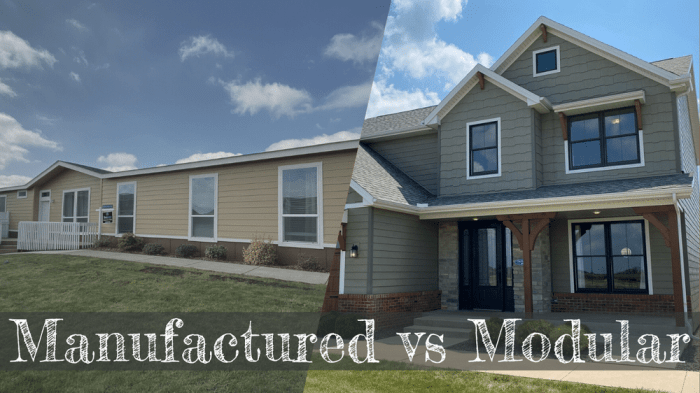
When it comes to custom built homes vs modular homes, the choice between the two can greatly impact the outcome of your living space. Dive into this detailed exploration to uncover the key differences and advantages of each option.
In the following sections, we will delve into the intricacies of designing, constructing, and environmental impacts of custom built homes and modular homes, offering valuable insights to help you make an informed decision.
Custom Built Homes
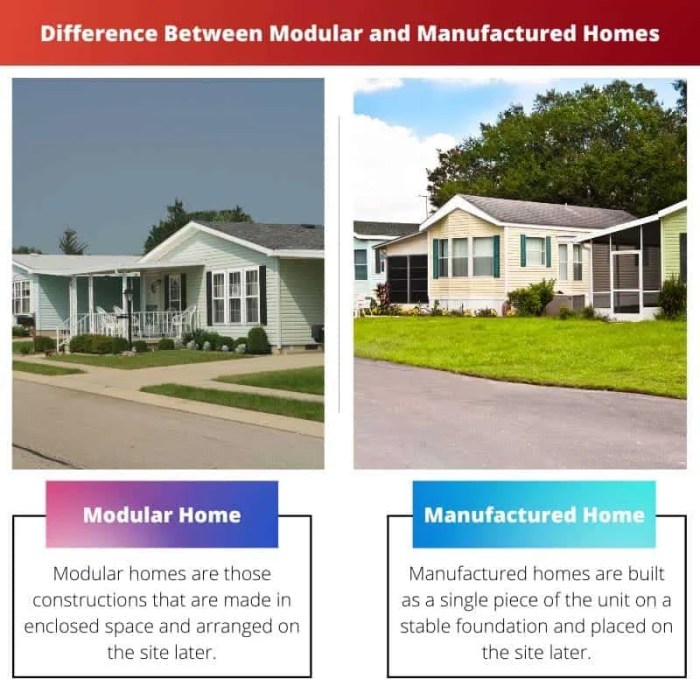
When it comes to designing a custom-built home, the process typically begins with a consultation between the homeowner and the architect or builder. During this initial phase, the homeowner can express their preferences, needs, and vision for their dream home.
The design is then created based on these requirements, ensuring that every detail is tailored to the homeowner's desires.
Choosing a custom-built home over a modular home comes with several benefits. One of the main advantages is the ability to customize every aspect of the home, from the layout and size to the materials and finishes used. This level of personalization allows homeowners to create a unique living space that truly reflects their style and taste.
Customization Options
- Custom floor plans tailored to the homeowner's lifestyle and preferences.
- Selection of high-quality materials for construction, such as hardwood floors, granite countertops, and designer fixtures.
- Customized exterior features, including architectural details, landscaping, and outdoor living spaces.
- Smart home technology integration for added convenience and energy efficiency.
Unique Features
- Indoor swimming pool or spa for luxurious relaxation.
- Home theater or entertainment room with state-of-the-art audiovisual equipment.
- Wine cellar or tasting room for wine enthusiasts.
- Custom-designed walk-in closets with built-in storage solutions.
Modular Homes
Modular homes are prefabricated houses that are constructed in sections or modules off-site in a factory setting, then transported to the final location for assembly. Unlike custom-built homes, modular homes are built in a controlled environment, which ensures precision and quality in construction.
Cost Efficiency
Modular homes are often more cost-effective than custom-built homes due to the controlled environment of the factory setting, which reduces material waste and labor costs. Additionally, the assembly process is quicker, saving on construction time and associated expenses.
Sustainability
Choosing a modular home can be a sustainable choice as it often results in less waste during construction compared to traditional building methods. The controlled environment of the factory allows for better resource management and recycling of materials.
Speed of Construction
Modular homes are known for their quick construction and installation process. Since the modules are built off-site simultaneously with site preparation, the overall construction time is significantly reduced. This can be advantageous for those looking to move into their new home quickly or for projects with tight timelines
Design and Construction
When it comes to the design and construction of custom-built homes versus modular homes, there are key differences that can impact the overall look, feel, and quality of the final product.
Design Flexibility
Custom-built homes offer unparalleled design flexibility, as they are tailored to the specific preferences and needs of the homeowner. From layout to finishes, every detail can be customized to create a truly unique living space. On the other hand, modular homes have more limitations in terms of design flexibility, as they are constructed from pre-designed modules that are assembled on-site.
Construction Process
The construction process for custom-built homes involves working closely with architects, designers, and contractors to bring the homeowner's vision to life. Each aspect of the home is carefully planned and executed, often resulting in longer construction timelines but a more personalized end result.
In contrast, modular homes are built in a factory setting using standardized designs and materials, which can lead to quicker construction times but less room for customization.
Durability and Quality
Custom-built homes typically use high-quality materials and craftsmanship, resulting in a durable and long-lasting home. Homeowners have more control over the selection of materials, ensuring that only the best options are chosen. Modular homes also use quality materials, but the standardized construction process may not always allow for the same level of customization and attention to detail.
Innovative Design Elements
In custom-built homes, innovative design elements can be incorporated to enhance the overall aesthetics and functionality of the space. This could include features such as green building materials, energy-efficient systems, and smart home technology. Similarly, modular homes can also integrate innovative design elements, such as pre-installed solar panels or sustainable building practices, depending on the manufacturer and design options chosen.
Environmental Impact
Custom-built homes and modular homes both have distinct advantages when it comes to reducing environmental impact. Let's explore the eco-friendly features of custom-built homes and the sustainability practices in modular home construction to understand how each type contributes to reducing the carbon footprint.
Eco-friendly Features of Custom-built Homes
Custom-built homes are often designed with sustainability in mind, incorporating eco-friendly features that help reduce environmental impact. Some common eco-friendly features of custom-built homes include:
- Use of sustainable materials such as bamboo flooring, reclaimed wood, and recycled glass
- Energy-efficient appliances and lighting fixtures to reduce energy consumption
- Proper insulation and sealing to improve energy efficiency and reduce heating and cooling costs
- Installation of solar panels or geothermal heating systems to harness renewable energy sources
- Water-saving fixtures and systems to minimize water usage and promote conservation
Sustainability Practices in Modular Home Construction
Modular homes are also known for their sustainability practices in construction, which contribute to reducing the carbon footprint. Some sustainability practices in modular home construction include:
- Off-site construction in a controlled environment reduces waste and minimizes environmental impact
- Use of recycled and sustainable materials in the manufacturing process
- Energy-efficient design and construction techniques to improve overall energy performance
- Transportation efficiency due to the compact packaging and shipping of modular home components
- LEED certification and other green building standards to ensure sustainability and environmental responsibility
Energy Efficiency Comparison
Both custom-built homes and modular homes can be designed and constructed to be highly energy-efficient, but the approach may vary. Custom-built homes allow for more flexibility in design and materials, which can result in highly customized energy-efficient solutions. On the other hand, modular homes are built with precision in a factory setting, ensuring tight construction standards that promote energy efficiency.In conclusion, both custom-built homes and modular homes have their eco-friendly features and sustainability practices that contribute to reducing the carbon footprint.
Whether you choose a custom-built home or a modular home, you can make a positive impact on the environment by selecting energy-efficient options and sustainable construction practices.
Ultimate Conclusion
As we conclude this discussion on custom built homes vs modular homes, it's evident that both options have their unique benefits and considerations. Whether you prioritize customization, speed of construction, or sustainability, understanding these aspects will guide you towards choosing the ideal home for your needs.
Detailed FAQs
What customization options are available for custom-built homes?
Custom-built homes offer a wide range of customization options including floor plans, materials, fixtures, and finishes tailored to the homeowner's preferences.
Are modular homes more cost-efficient than custom-built homes?
Modular homes are generally more cost-efficient due to standardized construction processes and reduced labor costs compared to custom-built homes.
How do custom-built homes contribute to reducing the carbon footprint?
Custom-built homes can incorporate eco-friendly features such as energy-efficient appliances, sustainable building materials, and green technologies to minimize environmental impact.