

Cost Comparison: Putting Vinyl Siding Over Asbestos Shingles vs. Removing and Installing New
Share this:
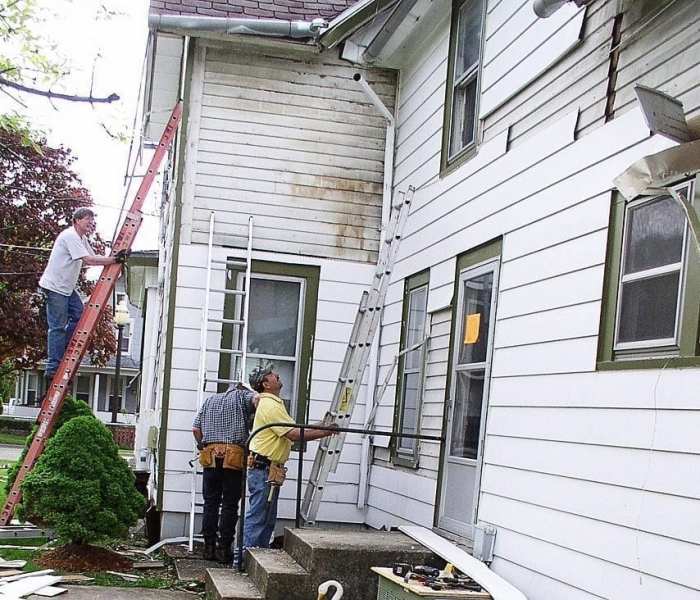
Exploring the costs involved in putting vinyl siding over asbestos shingles versus the alternative of removing them and installing new vinyl siding provides valuable insights into the financial implications of each option. This comparison sheds light on potential savings, as well as any additional expenses that may arise, offering a comprehensive view of the financial aspect of the project.
As we delve deeper into the breakdown of costs and considerations for each approach, a clearer picture emerges, guiding homeowners in making an informed decision based on their budget and preferences.
Cost Comparison
When considering whether to put vinyl siding over asbestos shingles or remove the shingles and install new vinyl siding, cost is a significant factor to weigh. Let's break down the costs involved in each option and explore any potential savings or additional expenses.
Putting Vinyl Siding Over Asbestos Shingles
When opting to put vinyl siding over existing asbestos shingles, the cost typically includes:
- Cost of vinyl siding materials
- Labor costs for installation
- Additional materials such as insulation and trim pieces
While this approach may seem more cost-effective initially, there are potential drawbacks to consider. For instance, if the asbestos shingles are damaged or deteriorating, they may need to be addressed before installing vinyl siding on top, leading to additional expenses.
Removing Asbestos Shingles and Installing New Vinyl Siding
On the other hand, removing asbestos shingles and installing new vinyl siding involves different costs, such as:
- Cost of asbestos abatement and disposal
- Cost of new vinyl siding materials
- Labor costs for removal and installation
While this option may incur higher upfront costs due to asbestos removal, it can provide a clean slate for the new siding without potential issues from the existing asbestos shingles.
Preparation Work
Before putting vinyl siding over asbestos shingles, several crucial preparation steps need to be taken to ensure a successful installation. The existing asbestos shingles must be properly evaluated, and the surface must be adequately prepared to guarantee the longevity and effectiveness of the new vinyl siding.
Evaluation of Existing Shingles
- First, a thorough inspection of the asbestos shingles is necessary to check for any damage, deterioration, or signs of wear and tear. Any issues must be addressed before proceeding with the installation of the vinyl siding.
- It is essential to verify that the asbestos shingles are securely attached to the underlying structure to prevent any potential issues with the new siding.
Surface Preparation
- The surface of the asbestos shingles must be cleaned and free of any dirt, debris, or loose material. This will ensure proper adhesion of the vinyl siding and prevent any imperfections or irregularities in the final appearance.
- Applying a primer or bonding agent to the asbestos shingles can improve the adhesion of the vinyl siding and promote a more durable installation.
- Special attention should be given to sealing any gaps, cracks, or seams in the existing shingles to prevent moisture infiltration and potential damage to the new siding.
Specific Considerations
- Working with asbestos shingles requires caution and adherence to safety guidelines to prevent exposure to harmful fibers. It is advisable to consult with professionals experienced in handling asbestos materials.
- Some local regulations may govern the installation of vinyl siding over asbestos shingles, so it is essential to comply with any legal requirements and obtain the necessary permits before beginning the project.
Safety Regulations
When working with asbestos shingles, it is crucial to follow specific safety regulations to protect against asbestos exposure. Asbestos is a known carcinogen, and inhaling asbestos fibers can lead to serious health issues, including lung cancer and mesothelioma
Handling and Removal
- Ensure that the workers handling asbestos shingles are trained and certified in asbestos abatement.
- Wear appropriate personal protective equipment, such as respiratory protection, disposable coveralls, and gloves.
- Work in a well-ventilated area and wet the shingles during removal to minimize the release of asbestos fibers into the air.
- Dispose of asbestos-containing materials properly according to local regulations.
Legal Requirements and Permits
- Check with local authorities to determine if any permits are required for the removal and disposal of asbestos-containing materials.
- Comply with federal, state, and local regulations regarding asbestos handling and disposal.
- Keep records of the asbestos abatement process for future reference and compliance purposes.
Environmental Impact
When considering the environmental impact of covering asbestos shingles with vinyl siding, it is important to address potential issues related to asbestos containment or disposal, as well as the long-term sustainability of both options.
Asbestos Containment and Disposal
One of the primary concerns when covering asbestos shingles with vinyl siding is ensuring proper containment and disposal of the asbestos material. Asbestos is a hazardous substance known to cause serious health issues when airborne, such as lung cancer and mesothelioma.
Therefore, it is crucial to follow strict guidelines and regulations for asbestos removal to prevent any harmful exposure during the renovation process.
Sustainability of Options
When comparing the sustainability of covering asbestos shingles with vinyl siding versus other alternatives, it is essential to consider the long-term environmental effects. While vinyl siding is a popular choice due to its durability and low maintenance, it is important to note that the production and disposal of vinyl materials can have negative environmental impacts.
On the other hand, removing asbestos shingles entirely may lead to additional waste and energy consumption. Therefore, it is crucial to weigh the environmental consequences of each option carefully.
Wrap-Up
In conclusion, the decision between putting vinyl siding over asbestos shingles or opting for removal and replacement involves careful consideration of costs, preparation work, safety regulations, and environmental impact. By weighing these factors, homeowners can navigate this renovation project with confidence and clarity, ensuring a successful outcome that meets their needs and aligns with their priorities.
Common Queries
What are the key costs involved in putting vinyl siding over asbestos shingles?
The main costs include labor, materials, preparation work, and any additional requirements for dealing with asbestos.
Are there any potential savings when opting to cover asbestos shingles with vinyl siding?
Yes, covering asbestos shingles can potentially save on the costs of removal and disposal, but it depends on the condition of the existing shingles and the overall project scope.
What safety regulations should be followed when working with asbestos shingles?
It is crucial to adhere to regulations regarding asbestos removal and disposal to ensure the safety of workers and residents. Professional assistance may be necessary to comply with these regulations.
What environmental impact does covering asbestos shingles with vinyl siding have?
Covering asbestos shingles with vinyl siding can help contain asbestos fibers, reducing the risk of environmental contamination. Proper disposal of any asbestos-containing materials is essential to minimize environmental impact.