

The Best Flooring Options for Your Home Remodel
Share this:

When it comes to renovating your home, choosing the right flooring can make a significant impact on both the aesthetics and functionality of the space. From classic hardwood to versatile vinyl, the options are vast and varied. Let's delve into the world of flooring for home remodels and explore what each type has to offer.
Now, let's break down the different types of flooring, considerations for choosing the best one, the installation process, and the latest trends in the industry. By the end, you'll have a clearer picture of how to select the perfect flooring for your home renovation project.
Types of Flooring
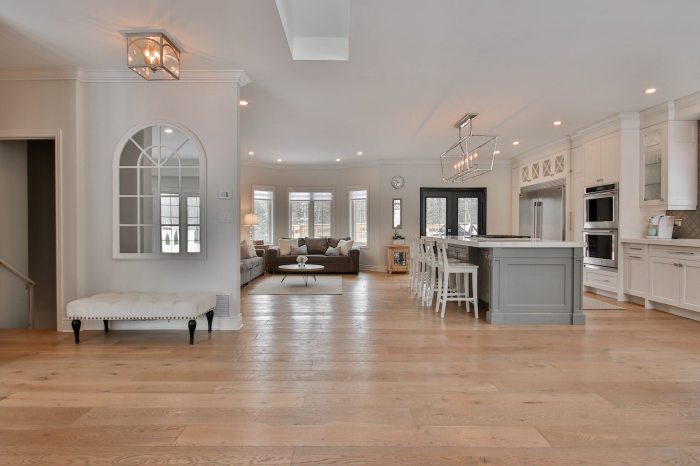
When it comes to choosing the right flooring for your home remodel, there are several options to consider. Each type of flooring has its own unique characteristics, pros, and cons. Let's take a look at some popular choices: hardwood, laminate, vinyl, and tile flooring.
Hardwood Flooring
Hardwood flooring is known for its timeless appeal and durability. It can add warmth and elegance to any space. However, hardwood floors can be more expensive than other options and may require more maintenance to keep them looking their best.
They are susceptible to scratches and water damage, so it's important to properly care for them.
Laminate Flooring
Laminate flooring is a more affordable alternative to hardwood. It is easy to install and comes in a wide variety of styles and colors. Laminate floors are durable and resistant to scratches, stains, and fading. However, they may not hold up as well to moisture as other types of flooring.
Vinyl Flooring
Vinyl flooring is a versatile and cost-effective option for homeowners. It is durable, easy to clean, and available in a range of designs that can mimic the look of hardwood or tile. Vinyl floors are water-resistant and generally low-maintenance. However, they may not be as durable as hardwood or tile flooring.
Tile Flooring
Tile flooring is a popular choice for kitchens and bathrooms due to its water resistance and easy maintenance. It comes in a variety of materials such as ceramic, porcelain, and natural stone. Tile floors are durable and long-lasting, but they can be cold underfoot and may require regular grout cleaning to prevent staining.
Considerations for Choosing Flooring
When it comes to choosing the best flooring for your home, there are several important considerations to keep in mind. From the type of room to your budget and lifestyle, each factor plays a crucial role in making the right decision for your space.
Room Usage
When selecting flooring, it's essential to consider the specific room where it will be installed. For example, high-traffic areas like the kitchen and living room may benefit from durable options such as hardwood or tile, while carpet could be a cozy choice for bedrooms.
In moisture-prone areas like bathrooms, waterproof materials like vinyl or ceramic tile are ideal to prevent damage.
Design Aesthetic
The flooring you choose should complement the overall design aesthetic of your home. Consider the color scheme, furniture style, and decor theme to ensure that the flooring enhances the visual appeal of the space. For a modern look, sleek hardwood or laminate floors might be suitable, while rustic spaces could benefit from the warmth of carpet or natural stone.
Factors Influencing Decisions
Several factors should influence your flooring decisions, including budget, lifestyle, and climate. Your budget will determine the type of material you can afford, while your lifestyle will dictate the level of durability and maintenance required. In climates with high humidity or temperature fluctuations, it's important to choose flooring that can withstand these conditions to prevent warping or damage over time.
Installation Process
When it comes to installing flooring for your home remodel, the process can vary depending on the type of flooring material you choose. Proper installation is crucial to ensure the longevity and durability of your new floors. Let's delve into the installation process for different types of flooring materials and the importance of subfloor preparation.
Hardwood Flooring
For hardwood flooring, the installation process typically involves nailing or stapling the planks to the subfloor
Tile Flooring
When installing tile flooring, the subfloor must be clean, dry, and level to prevent cracking or shifting of the tiles. The tiles are set in a bed of mortar or adhesive, and grout is used to fill the gaps between the tiles.
Proper subfloor preparation is necessary to prevent moisture-related issues that can damage the tiles over time.
Laminate Flooring
Laminate flooring is typically installed as a floating floor, meaning the planks are not nailed or glued to the subfloor. Instead, they click together and float over an underlayment. Subfloor preparation is still essential to ensure a smooth surface for the laminate planks to lay flat and secure.
Carpet Flooring
Installing carpet flooring involves stretching and securing the carpet over a padded underlayment. The subfloor should be clean and level to prevent uneven wear on the carpet. Proper subfloor preparation also helps with noise reduction and insulation.
Subfloor Preparation
Before installing any type of flooring, it's crucial to prepare the subfloor properly. This involves cleaning, repairing any damage, and ensuring the surface is level and free of debris. Subfloor preparation is essential for the longevity and stability of your new floors.
DIY vs. Professional Installation
While DIY installation can save money, hiring professionals for flooring projects can ensure proper installation and minimize the risk of mistakes. Professionals have the tools, expertise, and experience to tackle any challenges that may arise during the installation process.
Trends in Flooring
When it comes to flooring for home remodel projects, staying up-to-date with the latest trends is essential to achieve a modern and stylish look. From innovative materials to eco-friendly options, there are several trends shaping the flooring industry today.
Popular Flooring Designs and Materials
- Hardwood Flooring: Classic and timeless, hardwood floors continue to be a popular choice for homeowners looking to add warmth and elegance to their spaces.
- Luxury Vinyl Plank (LVP): Offering durability and versatility, LVP is gaining popularity for its realistic wood and stone looks, making it a cost-effective alternative to hardwood.
- Porcelain Tile: Known for its durability and low maintenance, porcelain tile comes in a wide range of colors and patterns, making it a versatile option for various design styles.
Sustainable and Eco-Friendly Options
- Bamboo Flooring: As a renewable resource, bamboo flooring is a sustainable option that provides a unique and modern look to any space.
- Cork Flooring: Made from the bark of cork oak trees, cork flooring is eco-friendly, hypoallergenic, and provides excellent sound insulation.
- Recycled Materials: Using recycled materials such as reclaimed wood or recycled glass tiles not only adds a unique touch to your floors but also reduces environmental impact.
Innovative Flooring Technologies
- Waterproof Flooring: With advancements in technology, waterproof flooring options like WPC (Wood Plastic Composite) and SPC (Stone Plastic Composite) are becoming increasingly popular for areas prone to moisture.
- Smart Flooring: Integrating technology into flooring, smart flooring solutions offer features like built-in sensors, heating elements, and even LED lighting, adding a futuristic touch to your home.
- 3D Printing: The use of 3D printing technology allows for intricate designs and patterns on flooring materials, offering endless customization possibilities for homeowners.
Ending Remarks
In conclusion, the right flooring choice can elevate the look and feel of your home remodel. Whether you opt for a trendy design or a timeless classic, investing in quality flooring is a decision that pays off in the long run.
Take your time to explore the options and find the flooring that best suits your style and needs.
General Inquiries
What type of flooring is best for high-traffic areas?
Hardwood or laminate flooring are excellent choices for high-traffic areas due to their durability and ease of maintenance.
Can I install vinyl flooring in my bathroom?
Yes, vinyl flooring is water-resistant and a good option for bathrooms as it can withstand moisture and humidity.
Are there eco-friendly flooring options available?
Absolutely, you can opt for sustainable materials like bamboo or cork for a more eco-friendly flooring choice.