

Exploring the World of Commercial Painting Contractors
Share this:
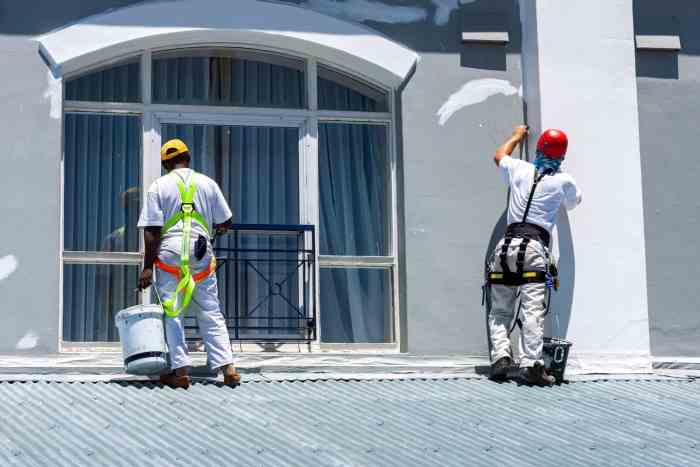
Commercial painting contractors play a crucial role in the construction industry, bringing life and color to various commercial spaces. From office buildings to hospitals, their expertise transforms dull walls into vibrant masterpieces. Let's delve deeper into the realm of commercial painting contractors and uncover the essentials of this dynamic profession.
Overview of Commercial Painting Contractors
Commercial painting contractors play a crucial role in the construction industry by providing professional painting services for commercial buildings and facilities. These contractors are equipped with the necessary expertise, tools, and skills to efficiently and effectively complete painting projects on a large scale.
Importance of Hiring Professional Contractors
- Professionalism and Expertise: Commercial painting contractors have the knowledge and experience to handle various types of surfaces and materials, ensuring a high-quality finish.
- Efficiency and Timeliness: Hiring professionals ensures that the painting project is completed within the set timeframe, minimizing disruptions to business operations.
- Compliance with Regulations: Professional contractors are well-versed in safety regulations and environmental standards, ensuring that the project meets all legal requirements.
- Long-term Cost Savings: Investing in professional painting services can lead to a durable and long-lasting finish, reducing the need for frequent repainting and maintenance.
Scope of Services Offered
- Interior and Exterior Painting: Commercial painting contractors offer services for both interior and exterior surfaces, including walls, ceilings, doors, and facades.
- Surface Preparation: This includes cleaning, priming, and repairing surfaces before painting to ensure a smooth and even finish.
- Specialized Coatings: Contractors may provide specialty coatings for specific requirements, such as anti-graffiti coatings, epoxy coatings, or fire-retardant coatings.
- Color Consultation: Some contractors offer color consultation services to help clients choose the right colors and finishes for their commercial spaces.
Qualifications and Expertise
To become a successful commercial painting contractor, certain qualifications, certifications, and expertise are essential. These requirements ensure that contractors can handle large-scale projects efficiently and deliver high-quality results to their clients.
Qualifications and Certifications
- Valid contractor's license: Commercial painters must hold a valid license to operate legally and demonstrate their expertise in the field.
- Insurance coverage: Contractors should have liability insurance to protect themselves and their clients in case of accidents or damages during the project.
- Safety certifications: It is crucial for commercial painting contractors to have certifications in safety protocols to ensure a secure work environment for their team and clients.
Expertise for Large-Scale Projects
- Project management skills: Commercial painting contractors need to have strong project management skills to oversee large-scale projects, coordinate with clients, and manage a team effectively.
- Knowledge of commercial painting techniques: Contractors should be well-versed in various painting techniques suitable for commercial spaces, such as spray painting, brush application, and surface preparation.
- Understanding of building codes and regulations: It is essential for contractors to have a thorough understanding of building codes and regulations to ensure compliance and avoid any legal issues during the project.
Importance of Experience
Having experience in the industry is crucial for commercial painting contractors as it allows them to tackle complex projects with confidence and expertise. Experienced contractors have a better understanding of client needs, industry trends, and best practices, which ultimately results in successful project outcomes.
Types of Commercial Projects
Commercial painting contractors are often called upon to work on a variety of projects in different sectors. These projects can vary in size, scope, and complexity, presenting unique challenges for contractors compared to residential projects.
Office Buildings
- Office buildings often require painting services to create a professional and welcoming environment for employees and clients.
- Contractors may need to work around busy office schedules, adhere to specific color schemes, and use high-quality, durable paints suitable for high-traffic areas.
Schools
- Painting projects in schools are crucial for maintaining a positive learning environment and ensuring the safety of students and staff.
- Contractors may need to comply with strict regulations regarding paint fumes, lead-based paint removal, and working during school holidays or off-hours.
Hospitals
- Hospitals require specialized painting services to promote cleanliness, infection control, and a calming atmosphere for patients.
- Contractors must follow stringent health and safety protocols, use antimicrobial paints, and work efficiently to minimize disruptions to patient care.
Notable Commercial Projects
- Painting of iconic skyscrapers like the Empire State Building or the Burj Khalifa have not only enhanced their appearance but also contributed to their overall brand image.
- Renovation projects in historic buildings like museums or theaters have preserved their cultural significance while giving them a fresh, updated look.
Tools and Techniques
Commercial painting contractors rely on a variety of essential tools and equipment to efficiently complete projects. The latest techniques and trends in the industry are constantly evolving to meet the demands of modern commercial spaces. Additionally, technology has played a significant role in streamlining the workflow of commercial painting contractors, leading to increased efficiency and productivity.
Essential Tools and Equipment
- Paint sprayers: Used to apply paint quickly and evenly on large surfaces.
- Drop cloths and masking tape: Essential for protecting floors, furniture, and other surfaces from paint splatter.
- Paint brushes and rollers: Used for detailed work and applying paint to smaller areas.
- Sanders and scrapers: Necessary for preparing surfaces by removing old paint and smoothing out imperfections.
- Ladders and scaffolding: Essential for reaching high areas and ensuring safety while working at elevated heights.
Latest Techniques and Trends
- Green painting: Increasing focus on eco-friendly paints and materials to reduce environmental impact.
- Preventive maintenance painting: Proactive approach to extend the lifespan of commercial buildings and prevent costly repairs.
- Virtual reality painting simulations: Utilizing VR technology to visualize paint colors and finishes before application.
Impact of Technology
- Digital project management tools: Streamlining communication, scheduling, and project tracking for increased efficiency.
- Drones for inspections: Utilizing drones to assess building exteriors and identify areas in need of painting maintenance.
- Automated paint mixing systems: Ensuring accurate color matching and reducing waste in paint preparation.
Safety and Regulations
Commercial painting contractors must prioritize safety on job sites to ensure the well-being of their workers and the success of the project. Adherence to safety measures and regulations is crucial in maintaining a positive reputation in the industry.
Safety Measures on Job Sites
When it comes to safety, commercial painting contractors need to implement various measures to prevent accidents and injuries:
- Provide proper training to all workers on handling equipment and materials.
- Use personal protective equipment such as goggles, gloves, and masks.
- Ensure proper ventilation in enclosed spaces to prevent exposure to harmful fumes.
- Secure ladders and scaffolding to prevent falls.
Regulatory Requirements and Environmental Considerations
Commercial painting projects are subject to regulatory requirements and environmental considerations that must be followed:
- Comply with OSHA regulations to ensure a safe working environment.
- Adhere to environmental laws and regulations regarding the disposal of paints and coatings.
- Use eco-friendly paints and coatings to minimize environmental impact.
Impact on Contractor Reputation
Compliance with safety regulations not only protects workers and the environment but also enhances the reputation of commercial painting contractors:
- Contractors who prioritize safety are more likely to win bids and attract clients who value a commitment to safety.
- A positive safety record can lead to repeat business and referrals from satisfied clients.
- Failure to comply with safety regulations can result in fines, legal consequences, and damage to the contractor's reputation.
Final Wrap-Up
As we conclude our journey through the realm of commercial painting contractors, it becomes evident that their impact goes far beyond just adding a fresh coat of paint. Their attention to detail, adherence to safety regulations, and innovative techniques set them apart as essential players in the construction landscape.
FAQ Section
What qualifications are required for commercial painting contractors?
Commercial painting contractors typically need certifications in painting techniques, safety training, and knowledge of environmental regulations.
What are some notable commercial painting projects?
Examples include painting of iconic office towers, large-scale shopping centers, and intricate hospital interiors.
How has technology influenced the workflow of commercial painting contractors?
Technology has revolutionized the industry with tools like spray painting equipment, digital color matching, and project management software.