

Affordable Private Health Cover Options for Small Companies: A Comprehensive Guide
Share this:
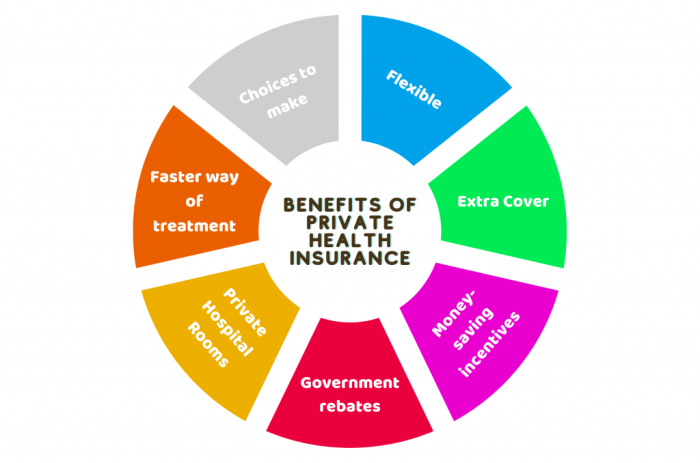
In the realm of small business operations, navigating the realm of Affordable Private Health Cover Options for Small Companies becomes paramount. This guide aims to shed light on the nuances of health cover choices tailored for small enterprises, providing a compelling narrative that is both informative and engaging.
As we delve deeper into the intricacies of health cover options, a world of possibilities unfolds for small companies seeking to prioritize the well-being of their employees.
Research on Affordable Private Health Cover Options for Small Companies
When it comes to providing health cover options for small companies, affordability is a key factor that can make a significant difference. By exploring private health cover plans tailored specifically for small businesses, employers can ensure that their employees have access to essential healthcare benefits without breaking the bank.
Key Factors for Affordable Health Cover Options
- Group Rates: Small companies can often benefit from group rates offered by insurance providers, allowing them to secure better prices for health cover plans compared to individual rates.
- Customizable Plans: Insurance companies may offer customizable plans that allow small companies to choose coverage options that best suit their budget and employees' needs.
- Wellness Programs: Some health cover options include wellness programs that can help reduce overall healthcare costs by promoting preventive care and healthy lifestyles among employees.
Private Health Cover Plans for Small Businesses
- Small Business Health Options Program (SHOP): This program, part of the Affordable Care Act, allows small businesses to access group health insurance plans through the marketplace, offering competitive rates and a variety of coverage options.
- Health Reimbursement Arrangements (HRAs): HRAs enable small companies to reimburse employees for medical expenses, providing a flexible and cost-effective way to offer health benefits.
- Association Health Plans (AHPs): AHPs allow small businesses to join together to purchase health insurance as a group, potentially leading to lower premiums and better coverage options.
Importance of Offering Health Cover to Employees in Small Companies
- Employee Retention: Providing health cover can help attract and retain top talent, as employees value access to healthcare benefits when considering job opportunities.
- Employee Wellbeing: Offering health cover demonstrates a commitment to employee wellbeing, promoting a healthy and productive work environment.
- Legal Compliance: Depending on regulations in your location, providing health cover may be a legal requirement for employers, ensuring compliance and avoiding penalties.
Types of Private Health Cover Plans Available
When it comes to private health cover plans for small companies, there are several options to consider. Each type of plan has its own set of benefits and considerations, so it's important to choose the one that best fits the needs of your business and employees.Traditional Health Insurance:Traditional health insurance plans typically involve a monthly premium that employees and employers share.
These plans often come with a network of healthcare providers and cover a wide range of medical services. While these plans can provide comprehensive coverage, they can also be expensive for small businesses to offer.Health Savings Accounts (HSAs):Health Savings Accounts are another option for small businesses looking to provide health coverage to their employees.
HSAs allow employees to set aside pre-tax dollars for medical expenses, which can be used to pay for eligible healthcare costs. These accounts are often paired with high-deductible health insurance plans, which can help lower monthly premiums for both employers and employees.Innovative Health Cover Options for Startups and Small Businesses:In recent years, there has been a rise in innovative health cover options specifically designed for startups and small businesses.
These options may include telemedicine services, wellness programs, and flexible benefit packages tailored to the needs of smaller companies. By exploring these innovative options, small businesses can provide valuable health coverage to their employees while managing costs effectively.
Cost Considerations and Budgeting for Health Cover
When it comes to providing private health cover for employees in small companies, cost considerations and effective budgeting are crucial aspects to manage. By understanding how to budget effectively and negotiate affordable rates with insurance providers, small businesses can ensure that they are providing valuable healthcare benefits to their employees without breaking the bank.
Effective Budgeting Strategies
One effective strategy for budgeting health cover costs is to assess the specific needs of your employees. By understanding the demographics and health concerns of your workforce, you can tailor your health cover plan to provide the most relevant and cost-effective coverage
- Consider offering high-deductible plans paired with Health Savings Accounts (HSAs) to lower monthly premiums while still providing comprehensive coverage for major medical expenses.
- Explore options for self-funded health plans, where the company assumes more financial risk but can potentially save on premiums in the long run.
- Regularly review and renegotiate health cover plans to ensure that you are getting the best value for your investment.
Negotiating Affordable Rates
When negotiating with insurance providers, small companies can leverage their group buying power to secure more competitive rates. By comparing quotes from multiple providers and highlighting the potential for long-term partnerships, businesses can often negotiate lower premiums and better coverage options.
- Emphasize the health and wellness programs offered by your company to demonstrate a commitment to preventive healthcare, which can lead to lower overall costs for the insurer.
- Consider implementing cost-sharing arrangements with employees to help manage premium costs while still providing valuable health cover benefits.
Cost-Benefit Analysis of Preventive Healthcare
Investing in preventive healthcare through private health cover can yield significant long-term cost savings for small companies. By encouraging regular check-ups, screenings, and wellness programs, businesses can help employees stay healthy and catch potential health issues early, reducing the need for expensive treatments down the line.
Preventive healthcare not only benefits employees by promoting their well-being but also translates to lower absenteeism, higher productivity, and reduced healthcare costs for the company in the long term.
Implementing Private Health Cover in Small Companies
Implementing a private health cover plan in a small company can be a beneficial investment in the well-being of your employees. Here are some step-by-step procedures to help small businesses select and implement a private health cover plan successfully.
Educating Employees about Benefits and Coverage
- Organize informational sessions or workshops to explain the details of the health cover plan to employees.
- Provide written materials outlining the benefits, coverage, and any limitations of the plan.
- Encourage employees to ask questions and seek clarification to ensure they understand the plan fully.
- Highlight the importance of preventative care and regular health check-ups covered by the plan.
Legal and Compliance Aspects
- Consult with legal experts or insurance professionals to ensure the selected health cover plan complies with all relevant laws and regulations.
- Verify that the plan meets the Affordable Care Act (ACA) requirements, if applicable.
- Provide employees with all necessary documentation regarding their health cover plan enrollment and coverage details.
- Regularly review and update the health cover plan to stay compliant with any changes in regulations or laws.
Concluding Remarks
In conclusion, Affordable Private Health Cover Options for Small Companies present a crucial aspect of fostering a healthy and productive workforce. By exploring the cost considerations, types of plans available, and implementation strategies Artikeld in this guide, small businesses can make informed decisions that benefit both their employees and the company's bottom line.
FAQ Explained
How can small companies negotiate affordable rates with insurance providers?
Small companies can leverage the collective bargaining power of industry associations or business groups to negotiate competitive rates with insurance providers. Additionally, exploring high-deductible health plans or self-funded options can also lead to cost savings.
What are some innovative health cover options designed for startups and small businesses?
Examples of innovative health cover options include telemedicine services, wellness programs, and flexible spending accounts tailored to meet the specific needs of small businesses.
What legal and compliance aspects should small companies consider when offering private health cover?
Small companies should ensure compliance with regulations such as the Affordable Care Act (ACA) and provide clear communication to employees about their health cover benefits to avoid any legal complications.