

Best Siding for Homes: A Comprehensive Guide
Share this:
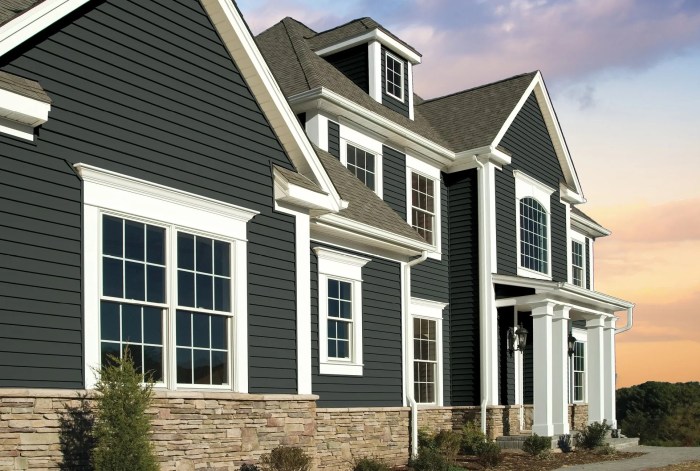
Exploring the world of siding options for homes, this introduction sets the stage for a detailed and informative discussion in a style that is engaging and informative.
In the following paragraphs, we will delve into the various types of siding materials, factors to consider when choosing the best option, energy efficiency implications, and installation and maintenance tips.
Types of Siding Materials
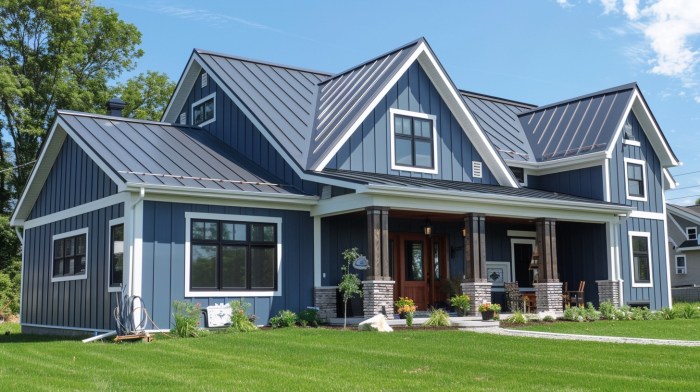
When it comes to choosing the right siding for your home, there are several options available, each with its own set of pros and cons. It's essential to consider factors like durability, maintenance requirements, and overall aesthetic appeal when selecting the best siding material for your needs.
Vinyl Siding
Vinyl siding is a popular choice for homeowners due to its affordability and low maintenance requirements. It comes in a variety of colors and styles, making it a versatile option for different architectural designs. However, vinyl siding may not be as durable as other materials and can crack or fade over time, especially in extreme weather conditions.
Wood Siding
Wood siding provides a natural and timeless look to a home, adding warmth and character. It can be painted or stained in various colors to suit your preferences. While wood siding is aesthetically pleasing, it requires more maintenance than other materials, such as regular painting, staining, and sealing to prevent rot and decay.
Fiber Cement Siding
Fiber cement siding is a durable and low-maintenance option that mimics the look of wood or masonry. It is resistant to rot, fire, and insects, making it a long-lasting choice for homeowners. However, fiber cement siding can be more expensive upfront compared to other materials, and installation may require professional expertise.
Metal Siding
Metal siding, such as steel or aluminum, is known for its strength and longevity. It is resistant to fire, rot, and pests, making it a practical choice for homeowners seeking durability. Metal siding is also available in a variety of colors and finishes to enhance the curb appeal of your home.
On the downside, metal siding can dent or scratch easily, requiring occasional maintenance to keep it looking its best.
Factors to Consider
When choosing the best siding for homes, there are several key factors to consider that can greatly influence the decision-making process. These factors include cost, climate, aesthetics, and maintenance requirements.
Cost
Cost is a significant factor to consider when selecting siding materials for your home. Different materials come with varying price points, and it's essential to choose an option that fits within your budget. For example, vinyl siding is typically more affordable than cedar or fiber cement siding, making it a popular choice for homeowners looking to save on costs.
Climate
The climate of your location plays a crucial role in determining the best siding material for your home. For instance, if you live in an area with extreme weather conditions, such as heavy rain or intense sunlight, you'll want to choose a durable and weather-resistant material like fiber cement or metal siding.
On the other hand, in milder climates, options like wood or vinyl siding may be more suitable.
Aesthetics
Aesthetics are also an important factor to consider when selecting siding for your home. The appearance of your siding can greatly impact the overall look of your property. For a more traditional and rustic look, cedar siding may be the best choice, while modern homes may benefit from the sleek appearance of metal or fiber cement siding.
Maintenance
The level of maintenance required for different siding materials can vary significantly. Some materials, like vinyl siding, are low maintenance and only require occasional cleaning, while others, such as wood siding, may need regular painting or staining to maintain their appearance.
Consider how much time and effort you're willing to invest in upkeep when choosing a siding material for your home.
Energy Efficiency
Energy efficiency is a crucial factor to consider when choosing siding materials for your home. The type of siding you select can impact your home's insulation properties and overall energy consumption.
Contribution to Energy Efficiency
Different siding materials have varying levels of energy efficiency. For example, insulated vinyl siding can provide excellent thermal resistance, helping to keep your home cool in the summer and warm in the winter. On the other hand, fiber cement siding offers durability and low maintenance but may not provide as much insulation as other materials.
Insulation Properties
- Insulated Vinyl Siding: Typically features a layer of foam insulation that improves the energy efficiency of a home by reducing heat transfer.
- Fiber Cement Siding: Has moderate insulation properties and can help regulate indoor temperatures, but may require additional insulation for optimal energy efficiency.
- Wood Siding: Provides natural insulation but may require regular maintenance to ensure energy efficiency over time.
- Engineered Wood Siding: Offers good insulation properties and can help reduce energy costs by maintaining a comfortable indoor environment.
Selecting Energy-Efficient Siding
When choosing a siding material to improve the energy efficiency of your home, consider factors such as the climate in your area, the desired level of insulation, and the overall maintenance requirements. Insulated vinyl siding and engineered wood siding are popular choices for homeowners looking to enhance their home's energy efficiency while maintaining a stylish exterior.
Installation and Maintenance
When it comes to siding materials for homes, proper installation and maintenance are key factors in ensuring longevity and durability. Different types of siding require specific installation processes and maintenance routines to keep them looking good and functioning properly.
Installation Process
- Vinyl Siding: Vinyl siding is relatively easy to install and can be done by DIY enthusiasts or professionals. It usually involves attaching the siding panels to the exterior walls using nails or screws.
- Fiber Cement Siding: Fiber cement siding installation requires more expertise and specialized tools. It involves cutting and fitting the panels to size, then securing them to the walls with nails or screws.
- Wood Siding: Wood siding installation can be labor-intensive and may require professional help. It involves properly sealing and staining the wood panels before attaching them to the walls.
Maintenance Requirements
- Vinyl Siding: Vinyl siding is low maintenance and only requires occasional cleaning with a mixture of water and mild detergent. Inspecting for any damage or warping is also recommended.
- Fiber Cement Siding: Fiber cement siding needs to be inspected regularly for cracks or moisture damage. Cleaning with a soft brush and mild detergent is advised to remove dirt and debris.
- Wood Siding: Wood siding needs regular maintenance to prevent rot and decay. This includes repainting or restaining every few years, as well as inspecting for any signs of insect infestation.
Best Practices for Maintenance
- Regularly inspect the siding for any damage, cracks, or signs of wear and tear.
- Clean the siding at least once a year to remove dirt, mold, and mildew buildup.
- Trim any nearby trees or bushes to prevent damage from branches rubbing against the siding.
- Repair any damaged areas promptly to prevent further deterioration.
End of Discussion
In conclusion, the discussion on the best siding for homes highlights the importance of considering various factors to make an informed decision that suits your needs and preferences. Dive into the world of siding options and transform the exterior of your home with the right choice.
Question & Answer Hub
What factors should I consider when choosing siding for my home?
Factors to consider include cost, climate, aesthetics, and maintenance requirements. Each factor plays a crucial role in determining the best siding material for your specific needs.
Which siding material is the most energy-efficient?
Fiber cement siding is known for its energy efficiency due to its insulation properties and ability to regulate indoor temperatures effectively.
How often should I maintain my siding?
Regular maintenance is recommended, typically annually or bi-annually, to ensure the longevity and durability of your siding material.