

Comparing Business Health Plans: Which One is Right for You?
Share this:
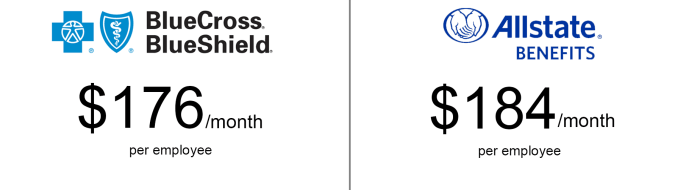
Embark on a journey of exploring the ideal business health plan with 'Comparing Business Health Plans: Which One is Right for You?' as your guide. Delve into the intricacies of various plan types and key factors to consider, leading you to make informed decisions for your business needs.
Types of Business Health Plans
When it comes to choosing a health plan for your business, there are several options available. Each type of plan has its own set of features, advantages, and disadvantages that you should consider before making a decision.
HMO (Health Maintenance Organization)
An HMO plan typically requires members to choose a primary care physician (PCP) who coordinates all of their healthcare needs. Referrals are usually needed to see specialists, and coverage is limited to a network of providers. One of the main advantages of an HMO is lower out-of-pocket costs, but the trade-off is less flexibility in choosing healthcare providers.
PPO (Preferred Provider Organization)
PPO plans offer more flexibility in choosing healthcare providers compared to HMOs. Members can see specialists without referrals and can even visit out-of-network providers, although at a higher cost. While PPO plans generally have higher premiums and out-of-pocket costs than HMOs, they provide greater choice and control over healthcare decisions.
EPO (Exclusive Provider Organization)
EPO plans are similar to HMOs in that they require members to stay within a network of providers for coverage. However, EPOs do not typically require referrals to see specialists. One key advantage of EPO plans is that they often have lower premiums compared to PPOs, while still offering some flexibility in choosing healthcare providers within the network.
POS (Point of Service)
POS plans combine features of both HMOs and PPOs. Members are required to choose a primary care physician and need referrals to see specialists, similar to an HMO. However, like a PPO, members have the option to see out-of-network providers at a higher cost.
POS plans offer a balance between cost and flexibility, making them a popular choice for many businesses.
Factors to Consider When Choosing a Plan
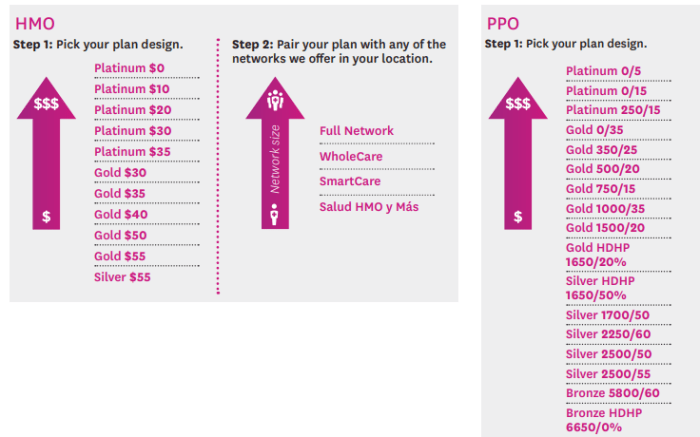
When choosing a business health plan, there are several key factors to consider that can greatly impact your decision. Factors such as cost, coverage, network size, and flexibility play a crucial role in determining which plan is right for your business and employees.
Cost
The cost of a health plan is a significant factor to consider, as it directly affects your budget and the affordability of the plan for your business. It's essential to compare monthly premiums, deductibles, copayments, and coinsurance to determine the total cost of the plan over time.
Coverage
The coverage provided by a health plan is another critical factor to consider. Evaluate what medical services, treatments, and medications are covered by the plan, as well as any restrictions or limitations on coverage. Ensure that the plan meets the specific healthcare needs of your employees.
Network Size
The size of the provider network included in a health plan is essential for ensuring access to quality healthcare services. Consider the network of doctors, specialists, hospitals, and other healthcare providers that are part of the plan. A larger network can offer more choices and flexibility for your employees.
Flexibility
Flexibility in a health plan can allow for customization based on the needs of your business and employees. Look for options such as the ability to choose between different coverage levels, add or remove benefits, and adjust cost-sharing arrangements. Flexibility can help tailor the plan to meet the unique needs of your workforce.Ultimately, when choosing a business health plan, it's crucial to prioritize these factors based on the specific needs of your business and employees.
By carefully evaluating cost, coverage, network size, and flexibility, you can select a plan that provides the best value and meets the healthcare needs of your workforce.
Coverage Options and Benefits
When comparing business health plans, it's essential to look at the coverage options and benefits provided to employees. These can greatly impact their overall well-being and satisfaction.
Common Coverage Options
- Preventive Care: Many health plans offer coverage for preventive services such as annual check-ups, vaccinations, and screenings to help employees stay healthy and catch any potential issues early.
- Prescription Drugs: Coverage for prescription medications is crucial for employees who require ongoing treatment for chronic conditions or acute illnesses.
- Mental Health Services: With the increasing awareness of mental health, some plans include coverage for therapy sessions, counseling, and other mental health services to support employees' mental well-being.
Comparing Benefits
Aside from the basic coverage options, different health plans may offer additional benefits to employees. Let's compare some of these benefits:
- Wellness Programs: Some plans provide access to wellness programs that promote healthy habits, offer fitness incentives, and encourage preventive care, leading to healthier and more engaged employees.
- Telemedicine: With the rise of telemedicine, some plans include virtual doctor visits and consultations, making healthcare more accessible and convenient for employees, especially those in remote locations or with busy schedules.
These additional benefits not only improve employees' health outcomes but also contribute to higher job satisfaction and productivity levels.
Cost Analysis and Budgeting
When it comes to selecting a business health plan, understanding the costs involved and effectively budgeting for them is crucial. Let's break down the different cost components and strategies for analyzing and managing them efficiently.
Breakdown of Costs
- Premiums: These are the monthly payments you make to the insurance company to maintain coverage for your employees.
- Deductibles: The amount employees must pay out of pocket before the insurance company starts covering expenses.
- Copays: Fixed amounts employees pay for covered services, typically due at the time of service.
Analyzing Costs Based on Employee Demographics and Health Needs
- Consider the age, health status, and lifestyle habits of your employees to determine the level of coverage needed.
- Review past health claims data to identify common health issues among your workforce and tailor the plan accordingly.
- Consult with insurance providers to understand how different plan options align with your employees' needs.
Strategies for Effective Budgeting
- Set a clear budget for health benefits and stick to it by comparing costs across different plan options.
- Encourage employee wellness programs to promote preventive care and reduce overall healthcare expenses.
- Consider implementing cost-sharing strategies with employees to manage premium increases effectively.
Final Review
Concluding our discussion on business health plans, we have unveiled the critical aspects of choosing the right plan tailored to your business requirements. With a focus on coverage options, cost analysis, and employee benefits, you are now equipped to navigate the realm of business health plans with confidence and clarity.
FAQ Guide
What are the key differences between HMO, PPO, EPO, and POS plans?
Each plan type has distinct features that affect cost and coverage. HMOs require referrals for specialists, PPOs offer more flexibility but at a higher cost, EPOs have a specific network, and POS plans combine features of HMOs and PPOs.
How can coverage options like preventive care and mental health services impact employee satisfaction?
Comprehensive coverage options promote employee well-being and can enhance satisfaction and productivity levels within the workforce. Preventive care and mental health services are crucial components for a holistic health plan.
What strategies can businesses employ for effective budgeting while providing competitive health benefits?
Businesses can analyze costs based on employee demographics and health needs to tailor health plans effectively. Implementing wellness programs and telemedicine services can also optimize budget allocation while delivering competitive benefits.