

Exploring the World of Computer Information Systems Degree
Share this:
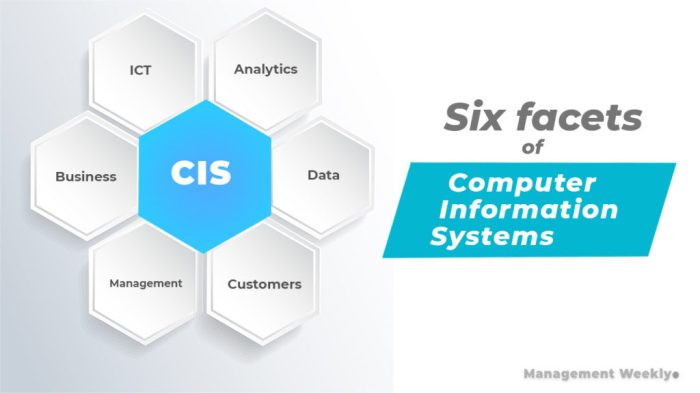
Embark on a journey into the realm of computer information systems degree, where technology meets innovation. This degree opens doors to a world of endless possibilities and opportunities in today's digital landscape.
Delve deeper into the specifics of what this degree entails and how it shapes the future of technology professionals.
Overview of Computer Information Systems Degree
A Computer Information Systems degree encompasses the study of the application of technology to solve business problems and improve organizational efficiency. Students learn how to design, implement, and manage information systems that support business processes.
Computer Information Systems play a crucial role in today's technology-driven world by ensuring that organizations have the necessary technology infrastructure to operate efficiently and effectively. Professionals in this field help businesses leverage technology to streamline operations, enhance decision-making, and gain a competitive edge in the market.
Specializations within Computer Information Systems Programs
- Database Management: Focuses on the design, implementation, and maintenance of databases to store and manage information efficiently.
- Network Administration: Involves the setup, maintenance, and security of computer networks to ensure seamless communication and data transfer.
- Cybersecurity: Concentrates on protecting information systems from cyber threats and ensuring data confidentiality, integrity, and availability.
- Business Intelligence: Emphasizes the use of data analysis tools and techniques to help organizations make informed business decisions.
Curriculum and Courses
In a Computer Information Systems degree program, students can expect to encounter a diverse range of courses that cover various aspects of technology and information systems. These courses are designed to provide students with a well-rounded education that prepares them for a successful career in the field.
Typical Courses in a Computer Information Systems Degree
- Programming: Courses in programming languages such as Java, C++, or Python help students develop essential coding skills that are fundamental in the field of information systems.
- Database Management: These courses focus on the design, implementation, and management of databases, teaching students how to organize and retrieve data efficiently.
- Networking: Networking courses cover topics related to computer networks, protocols, and security, preparing students to design and manage network infrastructures.
- Cybersecurity: With the increasing threats to information security, cybersecurity courses teach students how to protect systems, networks, and data from cyber attacks.
Contribution of Courses to a Well-Rounded Education
- Programming courses help students develop problem-solving skills and logical thinking, essential for creating efficient and scalable software solutions.
- Database management courses ensure students understand how data is organized and stored, critical for making informed business decisions based on data analysis.
- Networking courses enable students to design and manage secure network infrastructures, ensuring reliable communication and data transfer within organizations.
- Cybersecurity courses equip students with the knowledge and skills to protect valuable information assets, ensuring the integrity and confidentiality of data.
Hands-On or Practical Components of the Curriculum
In addition to theoretical knowledge, many Computer Information Systems degree programs incorporate hands-on or practical components to give students real-world experience. This may include internships with tech companies, capstone projects where students work on real-world problems, or lab courses where students can apply their knowledge in simulated environments.
Career Opportunities
Graduates with a Computer Information Systems degree have a wide range of career opportunities available to them in various industries. The combination of technical skills and business knowledge acquired during the program opens doors to diverse job roles.
Software Development
Software development is a popular career choice for CIS graduates. They can work as software developers, creating applications and programs for different platforms. Companies like Google, Microsoft, and Apple actively seek CIS professionals for their software development teams.
IT Consulting
Another career path for CIS graduates is in IT consulting, where they provide strategic advice to businesses on how to use technology effectively to achieve their goals. Consulting firms like Deloitte and Accenture often hire CIS professionals for their expertise in implementing technology solutions.
Database Administration
CIS graduates can also pursue a career in database administration, managing and maintaining databases to ensure data security and efficiency. Companies in various industries, including finance and healthcare, look for CIS professionals to oversee their data management systems.
Systems Analysis
Systems analysis is another area where CIS graduates can excel, working to improve the efficiency and effectiveness of an organization's IT systems. Companies like IBM and Amazon value CIS professionals for their problem-solving skills and analytical abilities.
Skills Developed
Through a Computer Information Systems degree, students acquire a diverse set of skills that are essential in today's technology-driven world.
Problem-Solving and Analytical Thinking
Problem-solving and analytical thinking are paramount in the field of Computer Information Systems. Students learn to troubleshoot complex issues, identify patterns, and develop innovative solutions to various challenges.
Attention to Detail
Attention to detail is a critical skill honed through a Computer Information Systems degree. Students must pay close attention to coding, data analysis, and system configurations to ensure accuracy and efficiency in their work.
Communication Skills and Teamwork
Communication skills and teamwork play a vital role in Computer Information Systems. Students learn how to effectively communicate technical information to non-technical stakeholders, collaborate with team members to achieve project goals, and work together towards successful outcomes.
Advancements in Technology
Technology is constantly evolving, and these advancements have a significant impact on the field of Computer Information Systems. Professionals in this field need to stay up-to-date with the latest trends to remain competitive and relevant in the industry.
Cloud Computing
- Cloud computing allows organizations to store and access data and applications over the internet, eliminating the need for on-site hardware and software.
- It offers scalability, flexibility, and cost-effectiveness, making it a popular choice for businesses of all sizes.
-
With the rise of cloud computing, professionals in Computer Information Systems need to have expertise in cloud platforms like AWS, Azure, and Google Cloud to effectively manage and optimize cloud-based solutions.
Artificial Intelligence
- Artificial intelligence (AI) involves the simulation of human intelligence processes by machines, enabling them to learn, reason, and make decisions.
- AI is being used in various applications such as data analysis, natural language processing, and automation, revolutionizing how businesses operate.
-
Professionals in Computer Information Systems must develop skills in machine learning, neural networks, and AI algorithms to leverage the power of AI in optimizing processes and decision-making.
Big Data Analytics
- Big data analytics involves the process of examining large and complex data sets to uncover hidden patterns, correlations, and other insights.
- It helps organizations make informed decisions, predict trends, and enhance overall performance.
-
Professionals in Computer Information Systems need to possess strong data analysis skills and be proficient in tools like Hadoop, Spark, and Tableau to effectively manage and analyze big data for strategic decision-making.
Final Conclusion
In conclusion, a computer information systems degree offers a gateway to a dynamic career filled with challenges and rewards. It equips individuals with the skills and knowledge needed to thrive in the ever-evolving tech industry.
Questions and Answers
What specializations are available within Computer Information Systems programs?
Common specializations include cybersecurity, data analytics, software development, and IT management.
What are some key skills acquired through a Computer Information Systems degree?
Students develop skills in problem-solving, analytical thinking, communication, and teamwork.
How do advancements in technology impact the field of Computer Information Systems?
Technological advancements like cloud computing, AI, and big data analytics shape the landscape of CIS, requiring professionals to stay updated.